

PKWY Dental Specialist Practice
9 Scotts Road #12-02 Pacific Plaza
Singapore 228210
| Tel | : | +65 6836 9808 |
| : | services@pkwydental.com.sg |
9 Scotts Road #12-02 Pacific Plaza
Singapore 228210
| Tel | : | +65 6836 9808 |
| : | services@pkwydental.com.sg |
When Is a Toothache a Sign of a More Serious Problem?


Dr Michele Chia
General Dentist (Special interest in Endodontics)
A toothache can seem like a nuisance that gets in the way of meals or a busy day. It is not always obvious when that inconvenience needs dental attention, particularly if you can still carry on with your usual activities.
Some causes of toothache need treatment before the pain becomes difficult to manage. Recognising the warning signs can help you decide when to seek dental care.
Temporary irritation can cause toothache, so pain alone does not establish how serious the problem is. Instead, the pattern of pain can help indicate when it deserves closer attention.
A dull ache may be noticeable while you work or rest, even without a trigger such as eating or drinking. Although it may ease for a while, repeated episodes can make it difficult to concentrate on daily activities. Painkillers may provide relief, but the discomfort can return as their effect wears off.
This can occur when the pulp, the soft tissue containing nerves and blood vessels inside the tooth, becomes inflamed. If the pulp is too inflamed to recover or has become infected, root canal treatment may be considered to remove the affected tissue and help preserve the tooth.
Discomfort may continue after hot or cold food or drink is no longer touching the tooth. If it takes longer to settle than before, eating and drinking may become increasingly uncomfortable.
This response can suggest inflammation or damage within the pulp, including from decay or an injury. A tooth can therefore need treatment even when temperature is the only trigger and there is no constant ache.
A sharp twinge may occur as you put pressure on a tooth or release your bite. Since it may affect only certain bites, the tooth can feel comfortable between meals and be difficult to identify. As a result, you may start chewing on the other side or avoiding harder foods.
A crack or a loose filling can cause this response. In a cracked tooth, chewing pressure can move the affected parts slightly and irritate the tissue inside. The absence of a constant ache therefore does not rule out damage that needs attention.
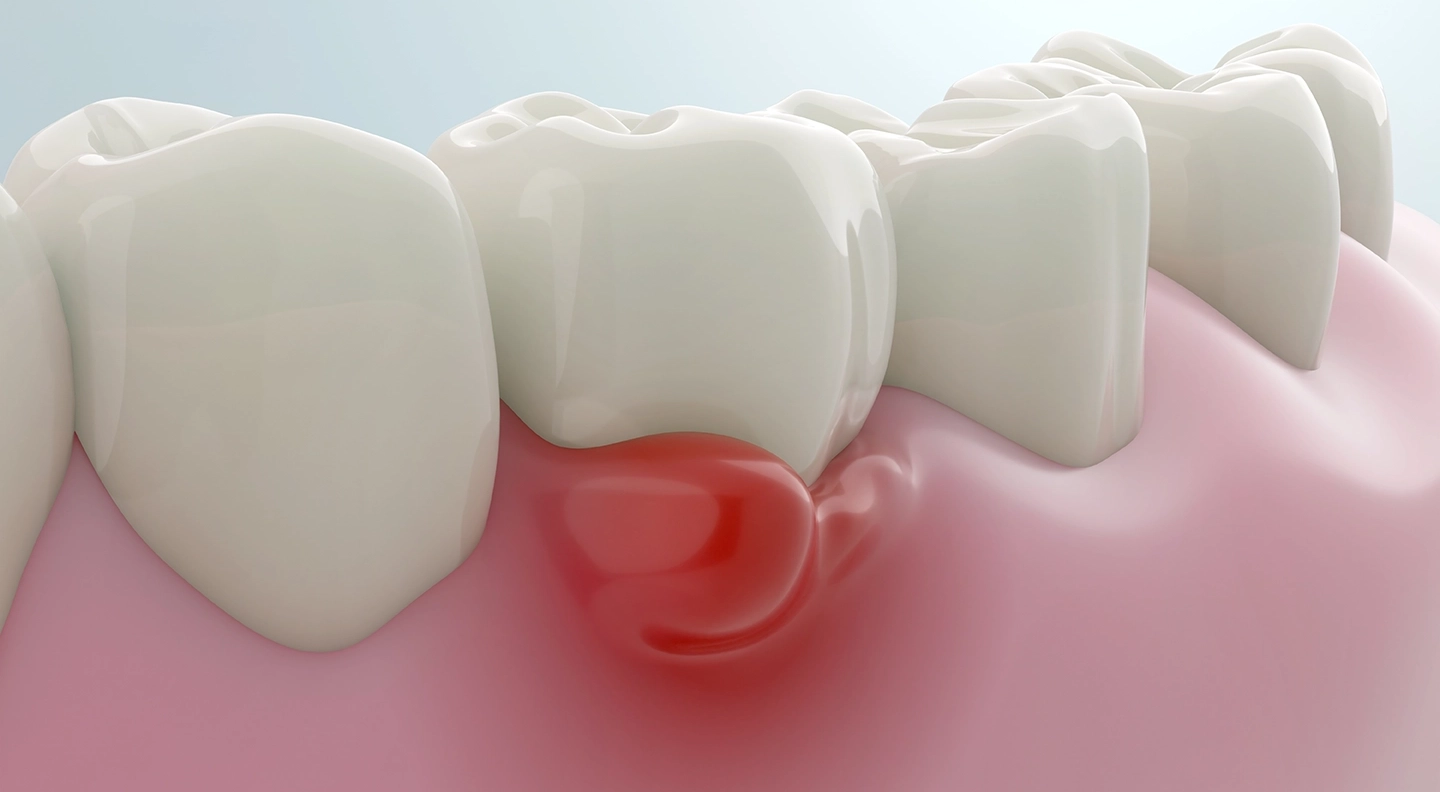
Changes in the gum beside a painful tooth may indicate that nearby tissues are inflamed or infected. These changes deserve attention even if the toothache itself is mild.
A small area of gum may look puffier than usual and feel tender when food or a toothbrush touches it. The change may be limited to one tooth, even when the rest of your gums appear normal.
This can result from a gum infection or an infection around the tooth’s root. As both can affect the same area, appearance alone cannot identify the source. A dentist needs to examine the tooth and surrounding gum to determine what is causing the swelling.
A small, pimple-like bump may develop near a tooth. It may release pus and leave an unpleasant taste, then shrink or disappear before returning. The area may also feel less painful after it drains.
This can happen when a dental abscess, a collection of pus caused by infection, drains through the gum. Although drainage may reduce pressure and discomfort, it does not necessarily remove the source of the infection. The bump may therefore return, and leaving a tooth infection untreated can allow the problem to progress.
Do not squeeze or attempt to drain it yourself. An unpleasant taste without a visible bump or discharge is less specific and does not, by itself, confirm an infected tooth.
There is no single waiting period that suits every toothache. How symptoms develop matters more than whether a set number of days has passed.
Pain that disrupts sleep or makes normal activities difficult needs prompt dental attention, particularly if painkillers are not helping. Contact a dentist rather than waiting for a routine check-up.
Fever alongside toothache, or swelling limited to the cheek or jaw, also warrants urgent dental assessment if none of the emergency signs below is present. These changes can suggest an infection that needs treatment. A suspected abscess requires urgent care even when it causes little pain.
Seek immediate care at a hospital emergency department if toothache or dental swelling is accompanied by:
These signs can indicate that an infection is affecting deeper tissues or threatening functions such as breathing. Do not wait for a dental appointment or a reply to an online enquiry. If breathing is affected, call 995 immediately.
If your toothache is persisting, changing or accompanied by swelling, a dental assessment can help determine what is causing the symptoms. The findings can then guide whether the tooth needs treatment and what approach may be appropriate.
At PKWY Dental Specialist Practice, our team can assess dental pain and advise whether root canal treatment or another approach is appropriate. Dr Michele Chia is a General Dentist with a special interest in Endodontics and experience in managing infected root canals and cracked teeth. To arrange a dental assessment, contact us.
Tooth pain is not always easy to pinpoint, and discomfort can sometimes seem to come from a nearby tooth. A dentist can compare your symptoms with examination findings and, where appropriate, dental tests or X-rays to help identify the likely source.
Sinus pressure can sometimes cause discomfort around the upper back teeth because their roots sit close to the sinus area. However, dental problems can cause similar pain, so persistent or localised discomfort should not automatically be assumed to come from the sinuses.
Not necessarily. X-rays can reveal problems such as decay, changes around a tooth root or other abnormalities, but some causes of pain may not be obvious on an image alone. Dentists therefore consider the examination, symptoms and other tests together.
Dr Michele Chia
General Dentist (Special interest in Endodontics)
Dr Michele Chia’s practice centres on endodontics. She focuses on diagnosing and treating tooth pulp infections, performing root canal procedures and managing complex cases such as persistent infections and cracked teeth. Using microscopic endodontic and microsurgical techniques, she combines technical precision with a patient-centred approach, ensuring individuals understand their treatment and the importance of timely care for long-term oral health.
Dr Chia also has a strong interest in the management of traumatic dental injuries. During her Endodontics Postgraduate Residency Training Program, she served on the dental trauma service team at King’s College Hospital, where she provided emergency care along with long-term follow-up and rehabilitation for patients recovering from dental trauma. This experience allows her to support individuals through both urgent situations and their ongoing recovery with clarity, reassurance and comprehensive care.


