

PKWY Dental Specialist Practice
9 Scotts Road #12-02 Pacific Plaza
Singapore 228210
| Tel | : | +65 6836 9808 |
| : | services@pkwydental.com.sg |
9 Scotts Road #12-02 Pacific Plaza
Singapore 228210
| Tel | : | +65 6836 9808 |
| : | services@pkwydental.com.sg |
What Happens If Tooth Infections Are Left Untreated?


Dr Michele Chia
Dental Specialist in Endodontics (Root Canal Specialist)
It is easy to ignore a toothache and hope it disappears on its own. But when pain is caused by a tooth infection, waiting can allow the problem to worsen. What starts as mild discomfort can progress into persistent pain, swelling, or even the formation of an abscess as bacteria continue to spread within the tooth and surrounding tissues. Without timely treatment, the infection may lead to more serious dental and health complications.
A tooth infection occurs when bacteria enter the inner layer of the tooth, known as the pulp. The pulp contains nerves and blood vessels and once it becomes infected, inflammation and pressure build up inside the tooth. This often leads to significant pain.
Tooth infections are commonly caused by untreated tooth decay, deep cavities, cracked or damaged teeth, or advanced gum disease. When the protective outer layers of the tooth are compromised, bacteria can travel inward and multiply. If left untreated, the infection may lead to the formation of a dental abscess: a pocket of pus that develops at the root of the tooth or in the surrounding gum tissue.
Tooth infections typically occur when bacteria reach the inner pulp of the tooth, which is the soft tissue that contains nerves and blood vessels. This usually happens when the protective outer layers of the tooth are compromised, allowing bacteria to penetrate deeper into the structure.
Some of the most common causes include:
Untreated cavities can gradually progress through the enamel and dentine. Once decay reaches the pulp, it can cause inflammation and infection, often resulting in persistent pain.
A crack in the tooth, whether from trauma or biting on hard foods, can create an entry point for bacteria. Even small fractures that are not immediately visible may allow infection to develop over time.
Teeth that have undergone multiple restorative procedures may become weakened. This can increase the risk of bacterial invasion into the pulp, especially if the tooth structure is compromised.
Severe periodontal disease can cause the gums to recede and form deep pockets where bacteria accumulate. In some cases, infection can spread to the tooth roots and surrounding bone.
When the pulp becomes infected, professional treatment is necessary to remove the bacteria and prevent the infection from spreading. In many cases, this involves root canal treatment to clean and disinfect the inner tooth while preserving its structure.
A tooth infection will not resolve on its own. Without professional treatment, the bacteria can continue to multiply and spread beyond the inner pulp of the tooth, leading to increasingly serious complications.
In the early stages, you may experience persistent or worsening toothache, sensitivity to hot or cold, and discomfort when chewing. As the infection progresses, it can lead to the formation of a dental abscess, which is a pocket of pus that develops at the root of the tooth or in the surrounding gum tissue. This may cause visible swelling, facial pain, bad breath, or a bad taste in the mouth.
If left untreated for longer periods, the infection can spread to the surrounding jawbone and soft tissues. In more severe cases, bacteria may travel to other areas such as the sinuses, neck or bloodstream, potentially leading to serious health complications.
Prompt treatment is essential to stop the spread of infection and relieve pain. The recommended approach depends on how advanced the infection is and whether the affected tooth can be preserved.
In many cases, root canal treatment is performed to remove the infected pulp, clean and disinfect the inner canals, and seal the tooth to prevent reinfection. This allows the natural tooth to be saved while eliminating the source of bacteria.
If the tooth is too severely damaged, extraction may be necessary to remove the infection. Antibiotics may sometimes be prescribed to control the spread, but they do not replace the need for definitive dental treatment.
Seek professional dental care promptly if you notice any signs of a possible tooth infection. Early treatment can prevent complications and improve the chances of saving your natural tooth.
Book a dental appointment if you experience:
Seek urgent dental attention if you develop:
If you are unsure whether your symptoms require treatment, scheduling a dental evaluation can provide clarity and timely care.
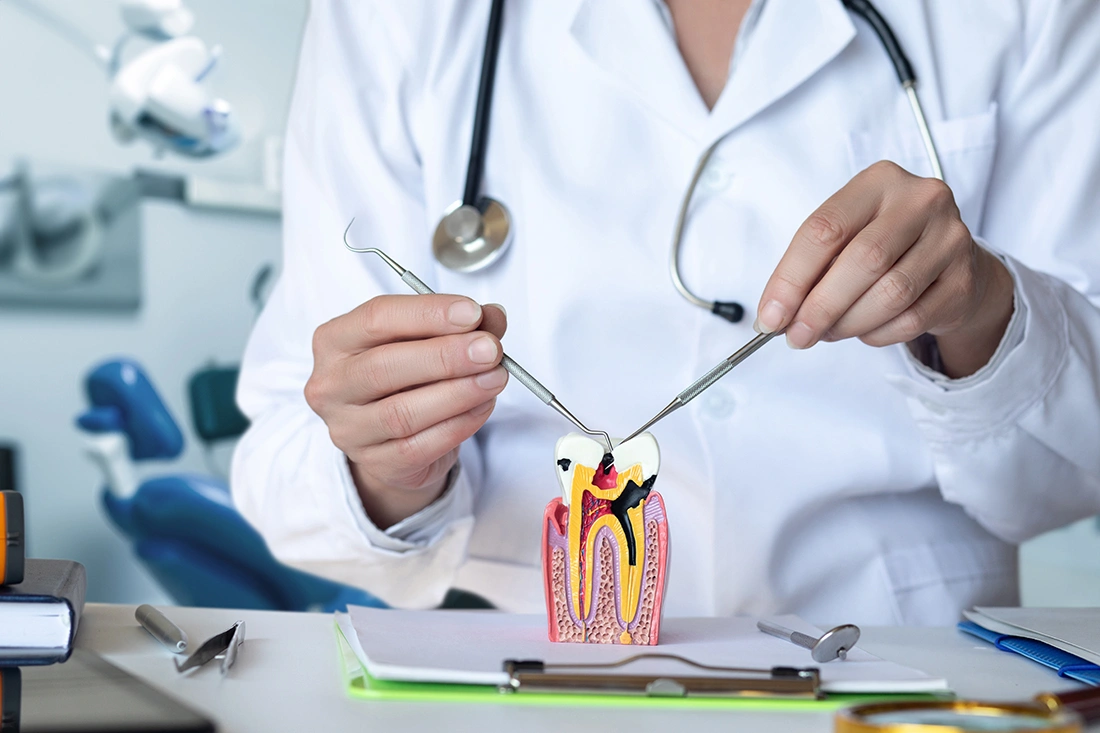
A tooth infection will not resolve on its own and can worsen if left untreated. Seeking professional care early can relieve pain, prevent complications, and improve the chances of saving your natural tooth. If you suspect an infection, timely evaluation and treatment can protect both your oral health and overall well-being.
At PKWY Dental Specialist Practice, suspected tooth infections are carefully evaluated through a comprehensive clinical examination and appropriate diagnostic imaging to determine the extent of the problem and the most effective treatment approach. Dr Michele Chia, with her specialist interest in endodontics, uses advanced microscopic and microsurgical techniques to diagnose and treat infected root canals, cracked teeth and persistent infections. If you are experiencing symptoms of a dental infection or have concerns about ongoing pain or swelling, scheduling a consultation can help you receive personalised care and timely treatment.
Dr Michele Chia
Dental Specialist in Endodontics (Root Canal Specialist)
Dr Michele Chia is a highly experienced endodontic specialist with a strong focus on diagnosing and treating complex root canal infections and related dental pain. She is skilled in the use of advanced microscopic and microsurgical techniques to manage persistent tooth infections, cracked teeth, traumatic injuries, and difficult root canal anatomy, all while ensuring patient comfort and long-term oral health.


