

PKWY Dental Specialist Practice
9 Scotts Road #12-02 Pacific Plaza
Singapore 228210
| Tel | : | +65 6836 9808 |
| : | services@pkwydental.com.sg |
9 Scotts Road #12-02 Pacific Plaza
Singapore 228210
| Tel | : | +65 6836 9808 |
| : | services@pkwydental.com.sg |

Dr Michele Chia
Dental Specialist in Endodontics (Root Canal Specialist)
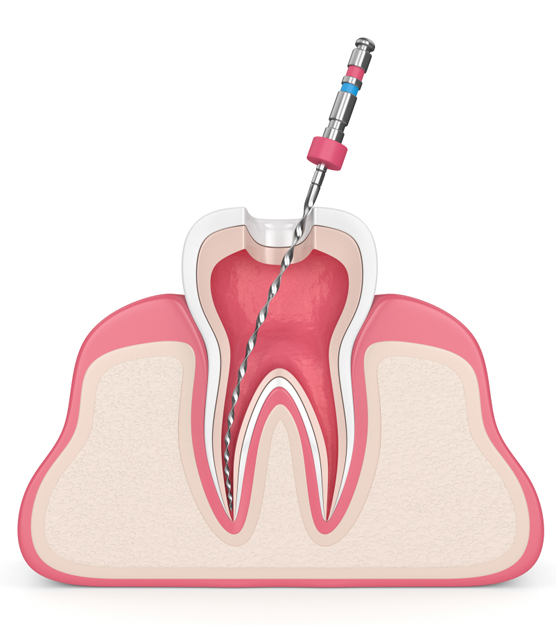
Endodontics is the specialist branch of dentistry that focuses on diagnosing, preventing and treating conditions affecting the dental pulp, which is the soft tissue found inside a tooth. The dental pulp contains nerves, blood vessels and connective tissues that play an important role in tooth development and health.
When the dental pulp becomes inflamed, infected or damaged due to deep decay, dental trauma, cracks or other underlying conditions, endodontic treatment may be required to preserve the natural tooth and prevent further complications. Left untreated, these problems can lead to persistent tooth pain, swelling, infection and, in some cases, tooth loss.
Dental professionals who practise endodontics in Singapore are known as endodontists. While general dentists can perform root canal treatment, endodontists undergo additional years of specialist training focused on diagnosing and treating conditions affecting the dental pulp and root canal system. This advanced training equips them to manage more complex cases, including teeth with challenging root canal anatomy, persistent infections, previously failed root canal treatments and dental trauma.
In addition, endodontists typically perform root canal treatments much more frequently than general dentists, allowing them to develop extensive experience in both routine and complex endodontic procedures. This specialised training places a focus on saving teeth by preserving the natural tooth whenever possible, through treatments that relieve symptoms, eliminate infection and address the underlying cause of dental disease.
Endodontic treatment is typically recommended for individuals with conditions affecting the dental pulp or tissues surrounding the tooth root. You may benefit from an assessment if you are experiencing symptoms such as:
As an endodontics centre in Singapore, our team provides a range of treatments for conditions affecting the dental pulp and root canal system. We specialise in:
Root canal treatment is the most common endodontic procedure we perform, and is often recommended when the dental pulp becomes inflamed, infected or damaged. The procedure involves removing the affected pulp tissue from within the tooth, cleaning and disinfecting the root canals and sealing the space to prevent reinfection.
By treating the source of infection within the tooth, root canal treatment can help relieve pain, preserve the natural tooth and prevent the need for extraction. In many cases, it allows patients to retain a tooth that might otherwise be lost due to severe decay, infection or injury. The goal of treatment is to eliminate infection while maintaining the tooth's structure and function, allowing patients to keep their natural teeth for as long as possible.
When dental pulp is affected by decay, trauma or disease, treatment may be required to preserve the health of the tooth and prevent the problem from worsening.
Depending on the extent of damage, dental pulp treatment may involve removing infected or damaged pulp tissue, cleaning the affected area and protecting the remaining healthy tissue. In some cases, medication may be placed within the tooth to promote healing and reduce inflammation. The appropriate treatment approach will depend on the condition of the pulp and the overall health of the tooth.
Tooth pain, sensitivity, swelling or infection can affect how comfortably you eat, speak and go about your daily routine. When these symptoms involve the inner structures of a tooth, delaying treatment may allow the condition to worsen. Endodontic care allows for earlier intervention that can address the underlying cause of the problem, relieve symptoms and improve the chances of preserving the affected tooth.
At PKWY Dental Specialist Practice, endodontic care is provided by Dr Michele Chia, a general dentist with a special interest in endodontics and a Master of Clinical Dentistry in Endodontology. Dr Chia's training and experience allow her to assess dental pulp and root canal conditions, manage tooth pain and perform endodontic procedures aimed at treating the source of the problem.
If you are experiencing persistent tooth pain, sensitivity or symptoms of infection, contact us today to schedule a consultation and receive an assessment of your treatment options.
Modern root canal treatment is generally no more uncomfortable than having a dental filling. Local anaesthesia is used to numb the area during treatment, and the procedure is designed to relieve pain caused by infection or inflammation within the tooth.
An infection affecting the dental pulp typically requires professional treatment. Without appropriate care, the infection may worsen, spread to surrounding tissues and increase the risk of tooth loss or other complications.
The duration of root canal treatment varies depending on the complexity of the case and the number of root canals involved. Some treatments can be completed in a single visit, while others may require multiple appointments.
In many cases, a dental crown may be recommended after root canal treatment to strengthen and protect the tooth, particularly if a significant amount of tooth structure has been lost. Your dentist will advise whether a crown is appropriate for your specific situation.


