

PKWY Dental Specialist Practice
9 Scotts Road #12-02 Pacific Plaza
Singapore 228210
| Tel | : | +65 6836 9808 |
| : | services@pkwydental.com.sg |
9 Scotts Road #12-02 Pacific Plaza
Singapore 228210
| Tel | : | +65 6836 9808 |
| : | services@pkwydental.com.sg |
Wisdom Tooth Surgery: How Specialists Manage Nerve Injury Risk

Dr Wong Wai Yee
Dental Specialist in Oral & Maxillofacial Surgery
For many people, the thought of wisdom tooth surgery can feel intimidating. Concerns about pain, swelling and possible complications, especially nerve injury, are common, particularly when lower wisdom teeth are involved. Some patients may also worry about stories they have heard regarding numbness in the lips, tongue or chin after surgery.
While these concerns are understandable, modern wisdom tooth surgery is carefully planned to minimise risks and improve safety. Dental specialists use detailed pre-operative imaging to assess how close the wisdom tooth roots are to important nerves before recommending treatment. In some cases, temporary numbness in the lip, tongue or chin may occur, especially with lower wisdom teeth, but careful surgical planning and advanced techniques help reduce this risk.
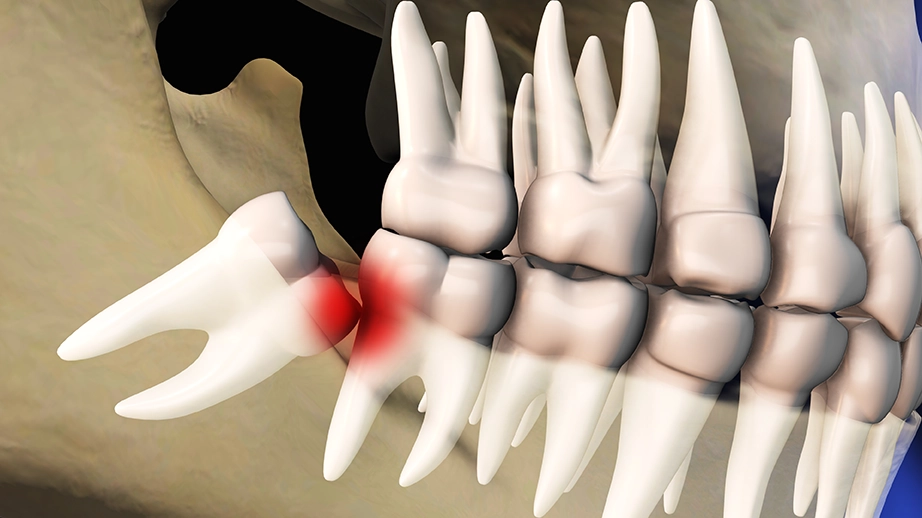
Lower wisdom teeth often develop close to important nerves that supply sensation to the lips, chin and tongue. The two main nerves dentists pay close attention to are the inferior alveolar nerve, which runs through the lower jaw, and the lingual nerve, which is located near the tongue.
When wisdom teeth are impacted or positioned deeply within the jawbone, their roots may sit very close to these nerves. In such cases, removing the tooth requires careful planning and precise surgical techniques to reduce unnecessary pressure or trauma to the surrounding structures.
Although nerve-related complications after wisdom tooth surgery are uncommon, some patients may experience temporary numbness, tingling or altered sensation in the lips, chin or tongue after the procedure. In most cases, these symptoms improve gradually over time as healing progresses. Permanent nerve injury is uncommon, particularly when surgery is carefully planned and performed by experienced clinicians.
Because every wisdom tooth develops differently, surgery should not always be approached as a routine extraction when nerves are involved. Dental specialists are trained to assess the complexity of each case and determine the safest way to remove the tooth while protecting nearby nerves and surrounding tissues.
Careful pre-operative assessment plays an important role in reducing the risk of nerve injury during wisdom tooth surgery. Before treatment, dental specialists evaluate the exact position, angle and depth of the wisdom tooth to better understand its relationship to nearby nerves and surrounding structures.
For more complex cases, three-dimensional imaging such as cone beam computed tomography (CBCT) scans may be recommended. Compared to standard dental X-rays, CBCT imaging provides a clearer and more detailed view of the tooth and surrounding anatomy, allowing for more accurate surgical planning.
Detailed imaging can influence important treatment decisions, including:
During surgery, specialists may also use techniques designed to reduce trauma to nearby tissues and nerves. Depending on the complexity of the case, this may include:
This level of planning helps make surgery more controlled and predictable while supporting safer treatment outcomes and smoother recovery.
After wisdom tooth surgery, it is normal to experience some swelling, discomfort and mild difficulty opening the mouth for a few days. Patients are usually able to return to normal daily activities within a short period, depending on the complexity of the extraction.
In some cases, patients may also notice temporary numbness, tingling or altered sensation in the lips, chin or tongue after surgery. This is more commonly associated with lower wisdom teeth that develop close to important nerves. For most patients, these symptoms gradually improve over weeks or months as the area heals.
Recovery timelines can vary depending on factors such as:
To support smoother recovery, patients are usually provided with personalised post-operative instructions regarding oral hygiene, diet, swelling management and activity levels after surgery. Follow-up reviews may also be arranged to monitor healing and ensure recovery is progressing appropriately.
Patients should seek review if numbness, pain or swelling worsens unexpectedly or does not improve over time. Early assessment helps ensure any concerns are managed appropriately during the healing process.
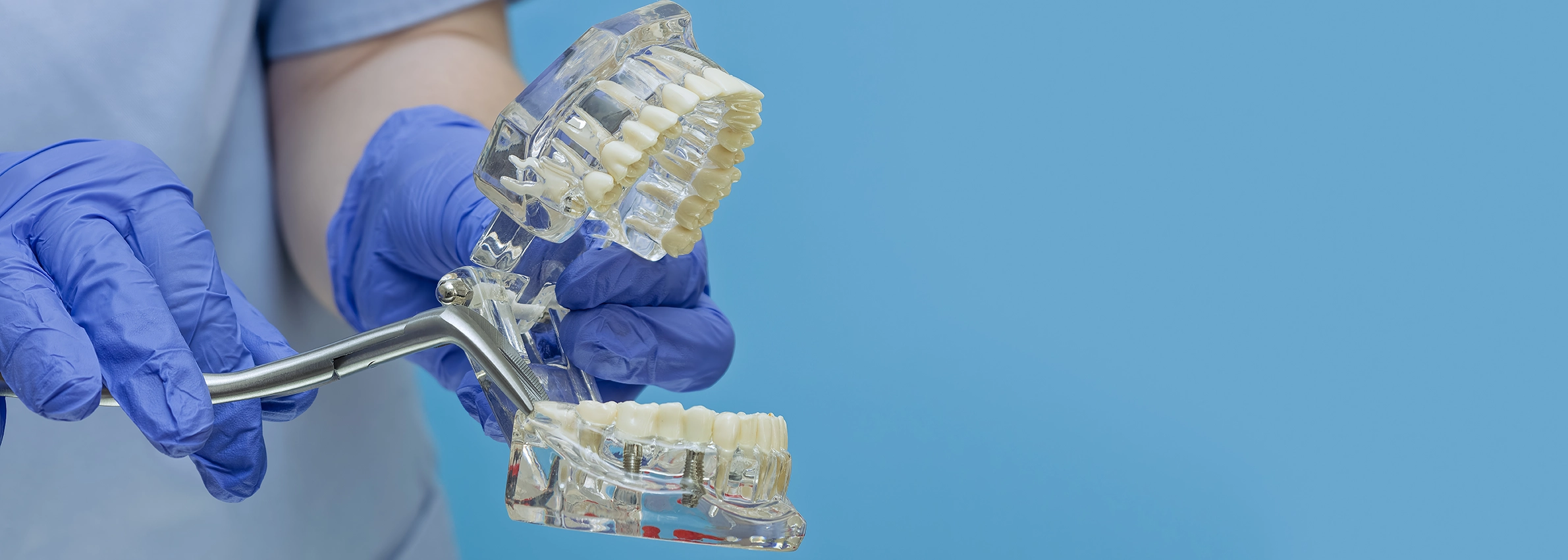
Wisdom tooth surgery can become more complex when lower wisdom teeth are positioned close to important nerves. Careful assessment, detailed imaging and precise surgical techniques allow specialists to better understand the surrounding anatomy before treatment and plan a safer, more controlled surgical approach. While temporary numbness may occasionally occur in some cases, modern imaging technology and careful surgical planning play an important role in reducing nerve-related risks.
At PKWY Dental Specialist Practice, our dental specialist in oral & maxillofacial surgery, Dr Wong Wai Yee, provides wisdom tooth assessment and surgical treatment for impacted and complex cases, including lower wisdom teeth located near nerves. Using advanced imaging and a patient-specific treatment approach, Dr Wong carefully plans each procedure to support safer surgery and smoother recovery.
Patients experiencing pain, swelling, recurrent infections or concerns about impacted wisdom teeth may benefit from an early assessment. Schedule a consultation with Dr Wong Wai Yee to find out whether wisdom tooth removal is recommended for your condition.
Dental specialists use X-rays and, in some cases, CBCT scans to assess how close the wisdom tooth roots are to nearby nerves before surgery. This helps guide safer surgical planning.
Permanent nerve-related complications after wisdom tooth surgery are uncommon. In most cases, temporary numbness or altered sensation improves gradually over time, particularly when surgery is carefully planned using appropriate imaging and surgical techniques.
While no surgical procedure is entirely risk-free, modern imaging technology and specialist surgical techniques help minimise the likelihood of nerve-related complications. The overall risk depends on factors such as the position of the wisdom tooth and how close the roots are to nearby nerves.
If temporary numbness occurs, sensation often improves gradually over weeks or months as healing progresses. Recovery timelines vary depending on the complexity of the extraction and the degree of nerve irritation involved.
You should consider an assessment if you experience pain, swelling, recurrent gum infections, food trapping or difficulty cleaning around the wisdom tooth area. Early evaluation can help identify potential complications and determine whether wisdom tooth removal is recommended before symptoms worsen.


