

PKWY Dental Specialist Practice
9 Scotts Road #12-02 Pacific Plaza
Singapore 228210
| Tel | : | +65 6836 9808 |
| : | services@pkwydental.com.sg |
9 Scotts Road #12-02 Pacific Plaza
Singapore 228210
| Tel | : | +65 6836 9808 |
| : | services@pkwydental.com.sg |
When Do You Need a Root Canal Treatment?

Dr Michele Chia
General Dentist (Special interest in Endodontics)
A throbbing tooth can make everything harder. Eating becomes uncomfortable, sleep is disrupted and even simple conversations can feel draining. You may find yourself chewing on one side of your mouth or avoiding hot drinks because of a sudden, sharp sting. When the pain lingers or keeps returning, it is natural to feel concerned and unsure about what to do next.
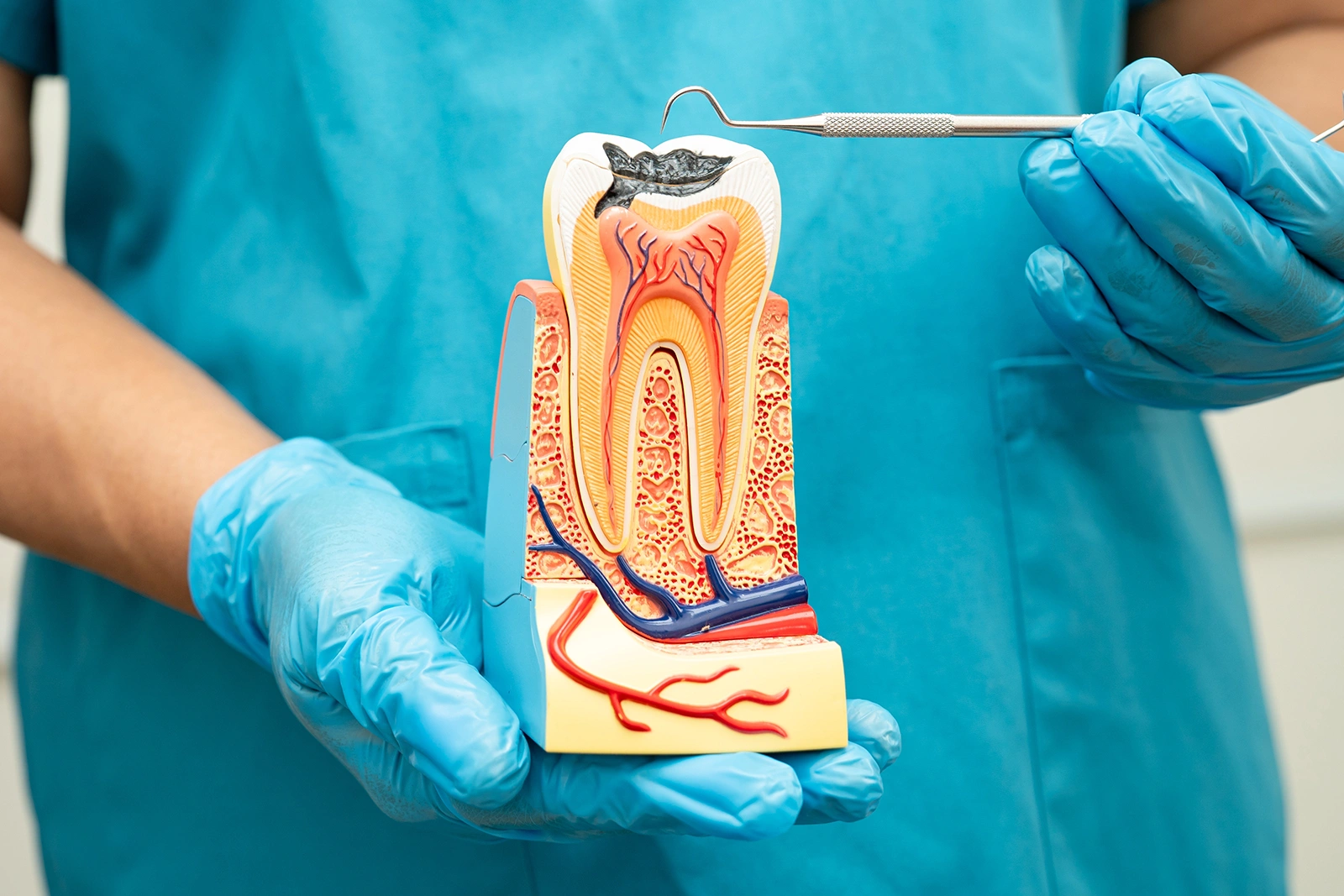
Persistent toothache is often more than a minor cavity. Deep within each tooth lies the pulp, a soft tissue containing nerves and blood vessels. If this inner layer becomes inflamed or infected, it cannot heal without professional treatment. In such cases, a root canal may be needed to remove the infection, relieve pain and preserve the natural tooth. Recognising the warning signs early, including prolonged sensitivity, swelling or discomfort when biting, allows you to seek timely care and prevent further complications.
A root canal is generally recommended when the dental pulp inside your tooth becomes inflamed, infected or damaged. This can happen because of deep tooth decay, repeated dental procedures on the same tooth, a crack or chip, or an injury that allows bacteria to reach the inner tissue.
When the pulp is infected, the body cannot heal it on its own. Without treatment, the infection can spread beyond the tooth to the surrounding bone and gum tissue. This may lead to worsening pain, swelling and, in some cases, tooth loss. Recognising the early signs allows you to seek treatment promptly and protect your long-term oral health.
Ongoing tooth pain is one of the clearest signs that something is wrong. This is different from brief sensitivity that settles quickly. Instead, you may feel constant discomfort or pain that comes and goes but never fully disappears.
The sensation can be sharp, throbbing or feel like pressure deep within the tooth. It may even spread to your jaw, ear or nearby teeth. Some people notice that the pain worsens at night or when lying down. While over-the-counter pain relief may provide temporary comfort, it does not address the source of infection.
Mild sensitivity to hot or cold foods is common. However, if the discomfort continues long after the drink or food is gone, it may indicate that the pulp has been affected.
You might feel a sharp or dull ache when drinking hot beverages or eating cold desserts. In some cases, the tooth becomes sensitive without any obvious trigger. Lingering sensitivity often suggests inflammation or infection of the nerve tissue and may require root canal treatment to resolve the problem.
If you notice swelling, redness or tenderness around a particular tooth, it could signal an underlying infection. When bacteria spread from the pulp to the surrounding tissues, the gums may become inflamed or painful to touch.
In more advanced cases, a small bump or abscess may form on the gum and may release pus. Even if swelling seems to improve temporarily, the infection can still be present beneath the surface. Early assessment helps prevent further damage to the gum and bone.
A tooth that becomes darker or changes colour may indicate damage to the pulp inside. This can occur after trauma, deep decay or a long-standing infection. The tooth may appear grey or brown compared with surrounding teeth.
Discolouration does not always cause pain, so it can be easy to overlook. If you notice a colour change, especially alongside sensitivity, swelling or persistent discomfort, it is important to have the tooth examined. Root canal treatment removes the damaged pulp and treats the infection. A crown or restoration may then be recommended to restore strength and appearance.
A tooth that feels loose or unstable may indicate that infection has spread to the tissues supporting it. When bacteria extend beyond the pulp, they can weaken the surrounding bone and ligament, reducing the tooth’s stability.
If left untreated, mobility may worsen over time. If you experience looseness along with pain or swelling, prompt dental assessment is essential. Root canal treatment may help remove the infection, preserve the natural tooth and prevent further damage to nearby tissues.

Knowing when to seek professional care can prevent a minor issue from becoming a serious problem. Early treatment not only relieves discomfort but also helps stop infection from spreading and improves the chances of saving your natural tooth. The urgency often depends on how severe your symptoms are and whether they are getting worse.
You should seek urgent dental attention if you experience:
These symptoms may indicate an active infection that requires prompt treatment.
You should arrange a dental appointment soon, even if the situation does not feel urgent, if you notice:
Even less intense symptoms can signal underlying pulp damage. An early assessment allows your dentist to diagnose the cause and recommend appropriate treatment before complications develop.
Persistent tooth discomfort should not be ignored, particularly when symptoms continue or worsen over time. By seeking care early, you improve the likelihood of resolving the issue promptly and preserving your natural tooth. When root canal treatment is necessary, it removes infection, alleviates pain and restores function, supporting your long-term oral health.
At PKWY Dental Specialist Practice, patient care is centred on accurate diagnosis and evidence-based treatment. Dr Michele Chia provides careful assessment and tailored endodontic care based on your specific condition. If you are experiencing symptoms, schedule a consultation to receive a professional evaluation and personalised treatment plan.
Dr Michele Chia
General Dentist (Special interest in Endodontics)
Dr Michele Chia’s practice centres on endodontics. She focuses on diagnosing and treating tooth pulp infections, performing root canal procedures and managing complex cases such as persistent infections and cracked teeth. Using microscopic endodontic and microsurgical techniques, she combines technical precision with a patient-centred approach, ensuring individuals understand their treatment and the importance of timely care for long-term oral health.
Dr Chia also has a strong interest in the management of traumatic dental injuries. During her Endodontics Postgraduate Residency Training Program, she served on the dental trauma service team at King’s College Hospital, where she provided emergency care along with long-term follow-up and rehabilitation for patients recovering from dental trauma. This experience allows her to support individuals through both urgent situations and their ongoing recovery with clarity, reassurance and comprehensive care.


