

PKWY Dental Specialist Practice
9 Scotts Road #12-02 Pacific Plaza
Singapore 228210
| Tel | : | +65 6836 9808 |
| : | services@pkwydental.com.sg |
9 Scotts Road #12-02 Pacific Plaza
Singapore 228210
| Tel | : | +65 6836 9808 |
| : | services@pkwydental.com.sg |
Why Do Braces Take Longer for Some People Than Others?
Dr Lawrence Yong
Dental Specialist in Orthodontics (Specialist in Braces)
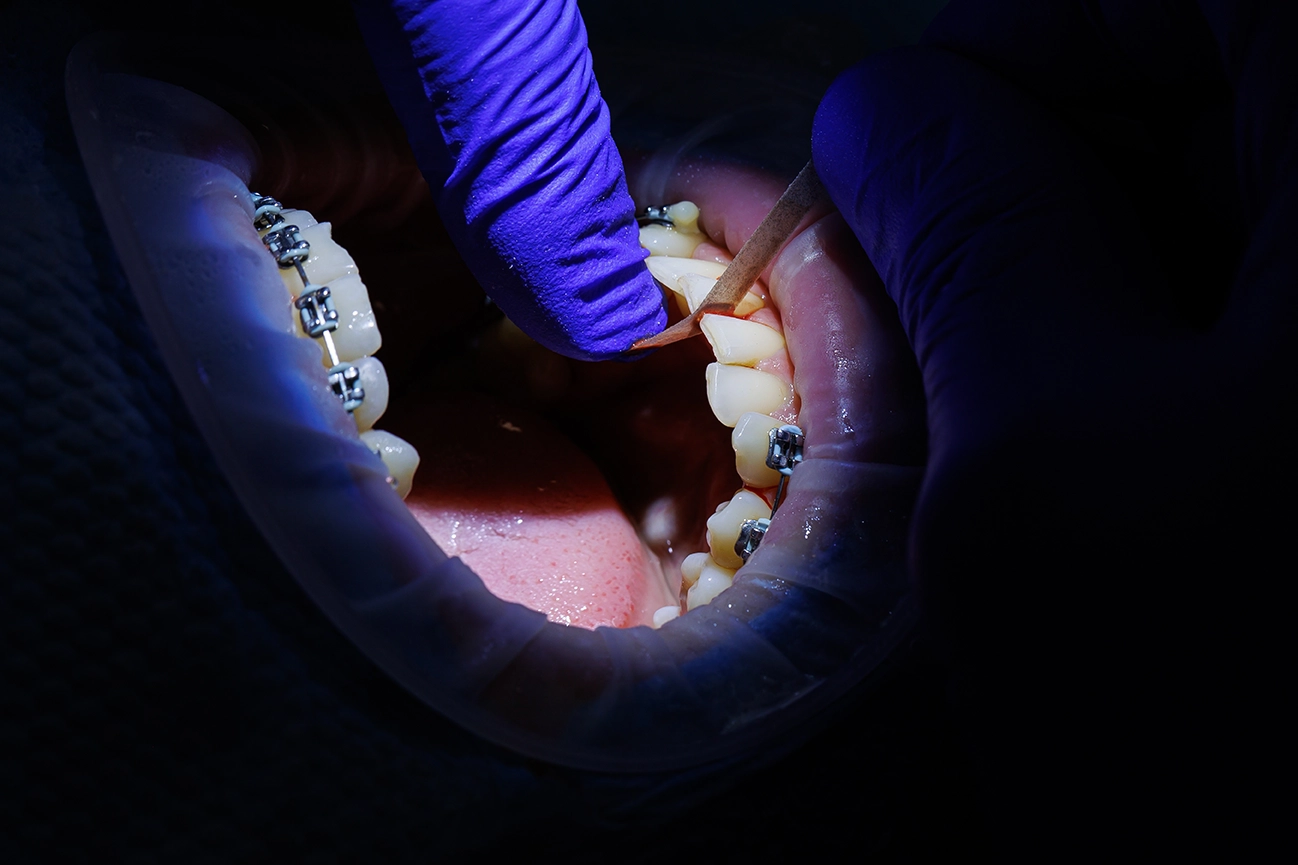
Two people can start braces at around the same time but finish treatment months apart. A longer timeline does not necessarily mean treatment has gone off track, as the correction required can differ considerably from one person to another.
An orthodontist can estimate how long treatment may take after assessing your teeth and bite. However, this is still an estimate rather than a fixed completion date. How your teeth respond once treatment begins can also affect the timeline.
An estimated treatment time only becomes meaningful when it is tied to the correction needed in that particular case. Appearance alone does not show everything an orthodontist needs to address.
Some people mainly need crowded or spaced teeth brought into better alignment. Others need more extensive changes to how the upper and lower teeth meet.
The amount of movement required also makes a difference. A tooth that needs a small change in position may take less time to correct than one that has to move further or change its angle considerably.
This is why two sets of teeth that look similar from the front can still have different treatment timelines.
Certain cases involve stages that are not necessary for everyone. An impacted tooth, for instance, may need to be guided gradually into the correct position.
If extractions form part of the treatment plan, the spaces created may then need to be closed as the remaining teeth are repositioned. These additional stages can add time even when the visible crowding did not initially appear severe.
The estimated duration therefore reflects the full sequence of correction required, not simply how quickly the front teeth can be straightened.

Even a carefully planned estimate can change once the teeth begin moving. Regular reviews allow the orthodontist to compare actual progress with what was expected at the start.
Teeth do not always respond at exactly the same rate. One part of the treatment may progress as planned while another movement takes longer than expected.
The orthodontist may therefore adjust the sequence or timing of treatment. This does not necessarily mean something has gone wrong. It may simply mean that more time is needed for a particular movement before the next stage can begin.
Treatment also depends on the braces being able to work as planned between reviews. Repeatedly delaying appointments can interrupt the timing of adjustments and may add to the overall duration.
Good braces care matters for a similar reason. If a bracket comes loose or another part of the appliance is damaged, the intended movement may be interrupted until it is corrected.
Some treatment plans also use orthodontic elastics to help change how parts of the bite fit together. When they are prescribed, wearing them as instructed helps the planned movement continue. Inconsistent wear can make that stage take longer.
Not every change in timing is within your control, however. Treatment can still take longer than first estimated even when appointments are attended and instructions are followed.
Later in treatment, progress can be less obvious than it was at the beginning. The largest visible changes may already have happened while more precise adjustments are still being made.
The front teeth may appear well aligned while the bite still needs further correction. An orthodontist also looks at how the upper and lower teeth meet rather than deciding that treatment is complete from appearance alone.
This means braces may need to remain in place after the most noticeable changes have happened. Removing them at that point could leave part of the planned correction unfinished.
The later stages may involve relatively small changes to the position or angle of individual teeth. Remaining spaces may also need to be closed or the way certain teeth meet may need further refinement.
These movements can be harder to notice from one appointment to the next, which can make treatment seem as though it has slowed down.
If your braces are taking longer than you initially expected, this does not necessarily mean treatment has gone off track. The original timeline is an estimate, and the time needed can change as your orthodontist sees how your teeth are responding to treatment. A review can clarify what has been achieved so far and whether more time is needed to complete the planned correction.
PKWY Dental Specialist Practice provides orthodontic assessment and treatment for children, teenagers and adults. Dental Specialist in Orthodontics, Dr Lawrence Yong, can assess your tooth movement and bite in relation to your treatment progress. To discuss your braces treatment and expected timeline, contact us to book an appointment.
Yes. The timeline given at the start is an estimate, so it can sometimes be shortened if treatment progresses more quickly than expected. However, braces should only be removed once the orthodontist confirms that the planned correction has been achieved.
Usually, the estimated braces timeline refers to the period when the braces are actively moving the teeth. Retainers are worn after the braces are removed to help maintain the new tooth positions, so retention is generally considered a separate stage of orthodontic care.
It can. A new orthodontist will need to understand the treatment completed so far and assess your current tooth and bite positions before deciding how to continue. The remaining treatment time may therefore need to be reassessed.
Dr Lawrence Yong
Dental Specialist in Orthodontics (Specialist in Braces)
Dr Lawrence Yong is an orthodontic specialist with 30+ years of experience treating a wide range of orthodontic conditions in Singapore. His background spans the public, corporate and private sectors, giving him extensive exposure to both routine and complex cases. He is skilled in fixed appliance systems and clear aligner therapy and has been an early adopter of digital orthodontic workflows.
Beyond clinical care, Dr Yong is well regarded for mentoring dentists in the region and has lectured internationally on developments in orthodontics and digital treatment planning. He also previously served as the President of the Singapore Dental Association. Known for his thoughtful approach to treatment planning, he focuses on guiding patients through their orthodontic journey with clear communication and steady, consistent support.


