

PKWY Dental Specialist Practice
9 Scotts Road #12-02 Pacific Plaza
Singapore 228210
| Tel | : | +65 6836 9808 |
| : | services@pkwydental.com.sg |
9 Scotts Road #12-02 Pacific Plaza
Singapore 228210
| Tel | : | +65 6836 9808 |
| : | services@pkwydental.com.sg |
How Can Bite Problems Affect Chewing and Jaw Function?
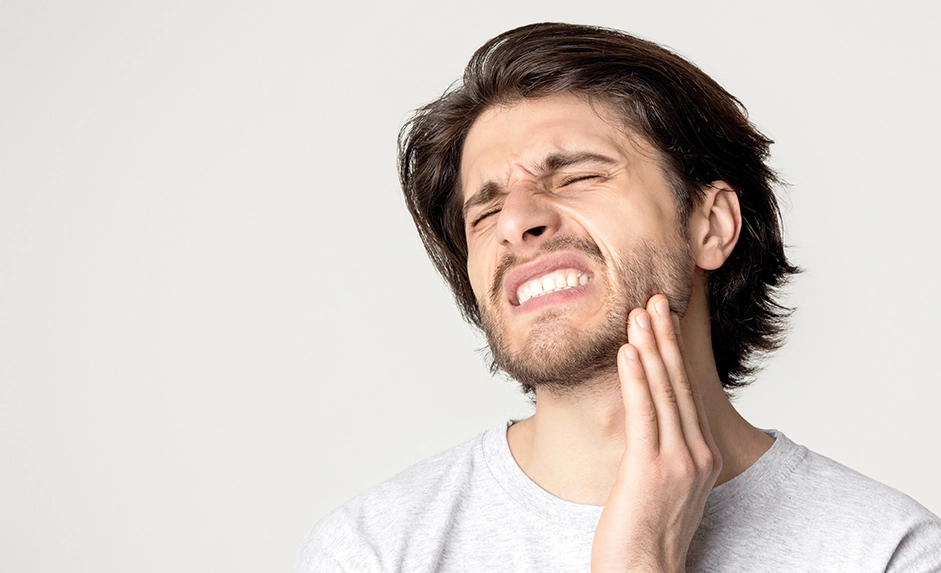
You may not pay much attention to the way your teeth meet until something starts to feel different. Your bite may feel less natural than it used to, or you may simply become more aware that your teeth do not seem to come together in quite the same way.
This can happen when the upper and lower teeth are not aligned as evenly as they could be. Even when there is no obvious pain, the way the teeth meet can still influence how comfortably and efficiently the mouth works during everyday use.
Chewing works best when the upper and lower teeth come together in a way that lets different teeth share the work of breaking food down. As food moves around the mouth, the teeth repeatedly make contact while the jaw changes position. When that contact is uneven, the mouth may need to adapt to keep chewing comfortably.
If certain teeth meet more firmly or sooner than others, pressure may not be spread as evenly during chewing. You may then rely more on particular teeth or one side of the mouth, especially when eating foods that need more biting or grinding.
Over time, this preference can become something you do without thinking about. Firmer or more fibrous foods may make the difference more noticeable because they require more repeated chewing before they can be swallowed comfortably.
This can make chewing feel less efficient, even if there is no obvious pain.
The jaw moves in more than one direction while you chew rather than simply opening and closing. If the teeth interfere with that movement, the jaw may shift slightly to find a position where the teeth come together more comfortably.
That adjustment may be subtle and may only become noticeable during certain movements or when eating particular foods. If it happens repeatedly, chewing may begin to feel less smooth or more tiring than expected.
Some people may also notice occasional jaw discomfort, although this can have other causes and does not by itself confirm a bite problem.
Different bite problems can affect everyday function in different ways. What you notice often depends on which teeth are involved.
An open bite leaves a gap between some of the upper and lower teeth when the mouth closes. If this affects the front teeth, biting cleanly through certain foods may become more difficult. You may find that foods which normally rely on the front teeth need to be moved further back in the mouth before they can be broken down effectively.
A pronounced overbite can also change how the front teeth work together. In some cases, this may make biting into food feel less straightforward or reduce how much the front teeth contribute to the first stage of chewing. Milder cases, however, may cause few noticeable problems during everyday eating.
With an underbite, the lower teeth sit further forward than the upper teeth. This can change how the front teeth come together when biting into food, making the initial bite feel less natural or effective.
A crossbite affects the relationship between the upper and lower teeth in a different way, with some upper teeth sitting inside the lower teeth. Depending on where it occurs, this may make chewing feel less even on one side of the mouth than the other.
The effects can vary considerably between people. A small difference may be barely noticeable, while a more pronounced bite problem may make it increasingly apparent that certain teeth are not working together as effectively during meals.
The effects of a bite problem are not always limited to how chewing feels. If the same teeth repeatedly take more of the contact, changes may gradually become noticeable on the teeth themselves.
Over time, repeated heavier contact on particular teeth may cause their biting surfaces or edges to wear faster. This can leave some teeth looking flatter or more worn than neighbouring teeth.
The amount of wear can vary considerably. A small difference in the bite may have little noticeable effect, while heavier or repeated contact may become more apparent over the years.
Uneven wear does not automatically mean that a bite problem is responsible. Grinding or clenching the teeth and repeated exposure to acids can also wear down tooth surfaces.
For that reason, wear is best considered in the context of how the teeth meet rather than treated as proof of a bite problem on its own.
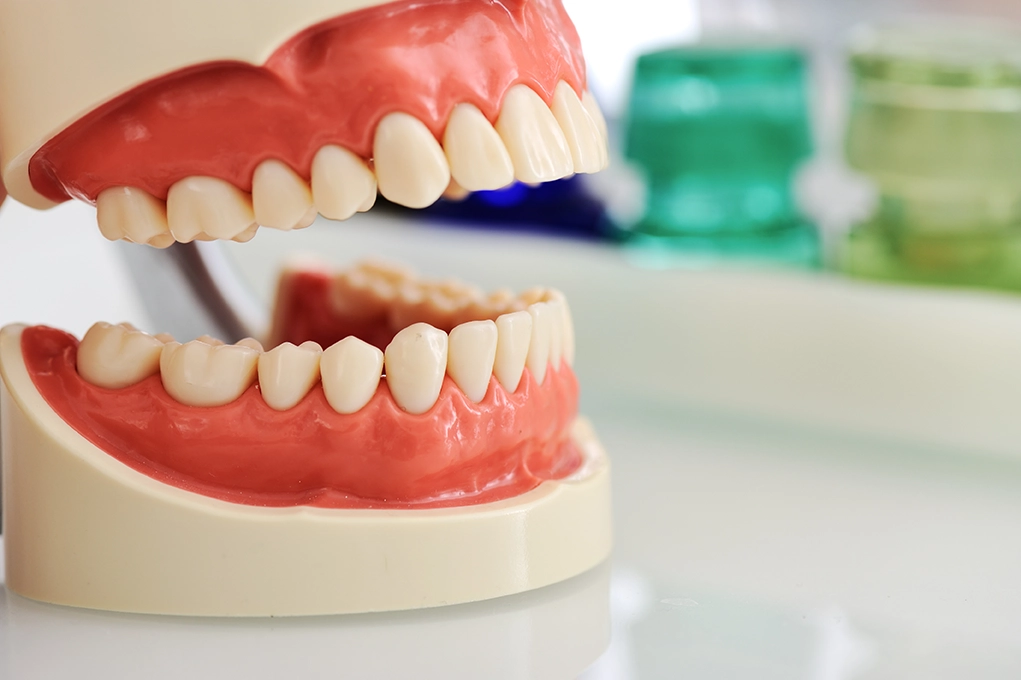
Not every difference in the way your teeth meet needs treatment. Assessment becomes more useful when the way your bite functions is causing ongoing difficulty or has noticeably changed.
An occasional awkward bite or brief jaw discomfort does not necessarily point to a problem. It may be worth seeking advice, however, if chewing regularly feels different, discomfort keeps returning or you become increasingly aware that your teeth are not meeting as they used to.
The overall pattern matters more than any single episode of discomfort.
A dental or orthodontic assessment can look at how the upper and lower teeth meet, how the jaw moves and whether the alignment of the teeth is affecting function. This helps distinguish a bite-related issue from other possible causes of the symptoms.
If alignment is contributing to the problem, orthodontics may be considered to improve how the teeth and bite work together. Whether treatment is needed will depend on the findings rather than the presence of a bite difference alone.
If chewing has started to feel different or your bite no longer seems to come together as it used to, an assessment can help determine whether tooth or jaw alignment is contributing. This can be useful when the change persists or begins to affect how comfortably you use your teeth.
At PKWY Dental Specialist Practice, bite and alignment concerns can be assessed as part of orthodontic care. Dr Lawrence Yong can evaluate how your teeth and jaws work together and advise whether any changes to your bite may benefit from treatment.
If you have noticed persistent changes in chewing, jaw movement or the way your teeth meet, you can contact us to arrange an assessment and discuss what may be contributing.
Yes. Teeth can appear fairly straight from the front while the upper and lower teeth still do not fit together as expected. Bite assessment looks at how the teeth relate to one another when the mouth closes and moves, not only how straight they appear.
Yes. Different bite relationships can occur in different parts of the same mouth. Someone may therefore have more than one alignment issue rather than a single, clearly defined bite pattern. An orthodontic assessment can determine which differences are present and whether they are affecting function.
No. Some bite problems mainly involve the position of the teeth, while others are influenced by how the upper and lower jaws relate to one another. In some cases, both contribute. This distinction can affect how the problem is assessed and what type of treatment, if any, may be appropriate.

Dr Lawrence Yong
Dental Specialist in Orthodontics (Specialist in Braces)
Dr Lawrence Yong is an orthodontic specialist with 30+ years of experience treating a wide range of orthodontic conditions in Singapore. His background spans the public, corporate and private sectors, giving him extensive exposure to both routine and complex cases. He is skilled in fixed appliance systems and clear aligner therapy and has been an early adopter of digital orthodontic workflows.
Beyond clinical care, Dr Yong is well regarded for mentoring dentists in the region and has lectured internationally on developments in orthodontics and digital treatment planning. He also previously served as the President of the Singapore Dental Association. Known for his thoughtful approach to treatment planning, he focuses on guiding patients through their orthodontic journey with clear communication and steady, consistent support.


