

PKWY Dental Specialist Practice
9 Scotts Road #12-02 Pacific Plaza
Singapore 228210
| Tel | : | +65 6836 9808 |
| : | services@pkwydental.com.sg |
9 Scotts Road #12-02 Pacific Plaza
Singapore 228210
| Tel | : | +65 6836 9808 |
| : | services@pkwydental.com.sg |
Common Myths About Wisdom Tooth Surgery in Singapore

Dr Wong Wai Yee
Dental Specialist in Oral & Maxillofacial Surgery
Wisdom tooth surgery is one of the most commonly recommended oral procedures in Singapore, yet it is often accompanied by misconceptions. Some people believe it is always extremely painful, requires lengthy hospitalisation or inevitably leads to severe swelling and weeks of downtime. Others assume that wisdom teeth only need removal when they cause obvious pain.
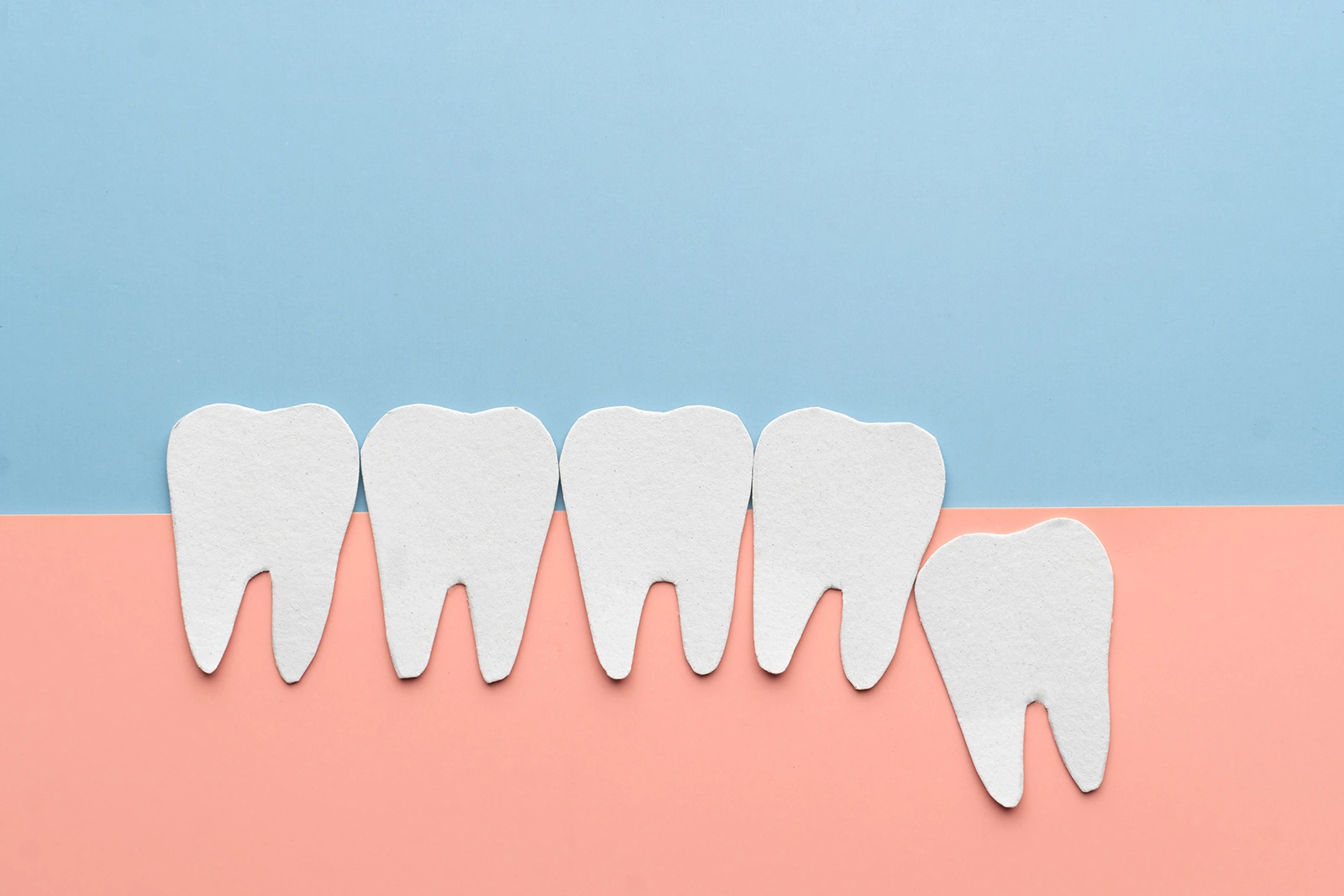
In reality, third molars can create problems even before noticeable symptoms appear. When impacted or partially erupted, they may trap food and bacteria, increasing the risk of gum infection, decay in neighbouring teeth or cyst formation. Early assessment using clinical examination and dental imaging allows dentists to identify these risks before complications develop.
Despite modern advances in anaesthesia and surgical techniques, outdated beliefs continue to influence how people view the procedure. Separating fact from fiction is essential for making informed decisions about whether and when wisdom tooth surgery is appropriate.
Fact: Not all wisdom teeth cause problems.
Some people have enough space in their jaws for wisdom teeth to erupt properly and remain healthy. Others may not develop one or more wisdom teeth at all.
For example, one person may have all four wisdom teeth fully erupted with no pain or crowding, meaning no treatment is needed. Another individual may develop only one or two wisdom teeth, but they may be impacted and require removal.
Fact: Most patients report manageable discomfort that improves within a few days.
Wisdom tooth removal is typically performed under local anaesthesia, which numbs the area so you do not feel pain during the procedure. For more complex extractions, sedation or general anaesthesia may be recommended to help you remain comfortable.
Some swelling and soreness afterwards are normal, but these symptoms are usually temporary and can be managed with prescribed pain relief. Following your dentist’s post-operative instructions closely can also help reduce discomfort and support a smoother recovery.
Fact: Problems with wisdom teeth can develop without causing immediate discomfort.
Impaction, infection, cyst formation and pressure on adjacent teeth can all exist silently. For example, an impacted wisdom tooth may be pushing against the second molar, gradually causing misalignment or enamel damage without producing noticeable pain. Regular dental check-ups and X-rays allow early detection of such issues, ensuring timely intervention and preventing more complicated procedures in the future.
Fact: Surgery does not affect the jawline or facial structure.
Some patients worry that removing wisdom teeth will change how their face looks. In reality, the procedure does not affect the shape of the jaw or facial bones. Any temporary changes, such as swelling or puffiness, are part of the normal healing process. Once the swelling settles, your facial appearance returns to normal.
Fact: Problematic wisdom teeth need to be removed, regardless of age.
Wisdom teeth are often assessed during the late teenage years or early twenties, but issues can arise later in life. In some cases, wisdom teeth may erupt in the thirties or forties. Others may never experience any problems at all. The decision to remove a wisdom tooth is based on clinical findings such as impaction, infection risk or crowding, rather than age alone.
Fact: Most patients are able to resume their usual daily routines within 5 to 7 days when aftercare instructions are followed.
Although some aftercare is necessary, recovery from wisdom tooth surgery is usually manageable. Many patients return to their usual daily routines within a week, provided they follow post-operative instructions.
Common advice includes eating soft foods, keeping the mouth clean and avoiding strenuous activity for a few days. Mild swelling and discomfort are expected in the first few days but typically improve quickly. Following your dentist’s guidance, such as gentle rinsing and taking prescribed medication, can help ensure a smoother recovery.
Fact: Wisdom teeth surgery is generally safe.
When carried out by a qualified dentist or oral surgeon, wisdom tooth removal is generally considered safe. Most complications are minor and temporary, such as swelling, bruising or slight bleeding.
More serious issues, including nerve injury or infection, are uncommon. The risk is further reduced when patients follow pre- and post-operative instructions carefully. A thorough assessment before surgery allows the dentist to evaluate factors such as tooth position, proximity to nearby nerves and overall oral health, helping to plan the procedure safely.
Misinformation can make wisdom tooth surgery seem more intimidating than it truly is. In reality, the need for removal depends on careful clinical assessment, your symptoms and the position of your teeth. Early evaluation allows potential issues to be identified before they become more complex or uncomfortable.
At PKWY Dental Specialist Practice, wisdom teeth are assessed using thorough examination and appropriate radiographic imaging to determine the most suitable course of action. Dr Wong Wai Yee provides personalised advice and surgical care tailored to your specific dental condition, with an emphasis on safety, comfort and long-term oral health. If you have questions about your wisdom teeth or have been advised to consider removal, scheduling a consultation can give you clarity and confidence in your next steps.
Dr Wong Wai Yee
Dental Specialist in Oral & Maxillofacial Surgery
Dr Wong Wai Yee is an experienced dental specialist in dentofacial trauma and surgery. She manages a wide range of cases, including wisdom teeth removal, dental implant treatment, corrective jaw surgery, oral facial trauma, and complex oral infections.
She is also highly experienced in caring for patients with significant medical conditions, such as heart disease, a history of head and neck cancer with irradiation, and those on anticoagulant or bisphosphonate therapy. Dr Wong is known for her calm, meticulous approach and her commitment to providing safe and personalised care for every patient.


