

PKWY Dental Specialist Practice
9 Scotts Road #12-02 Pacific Plaza
Singapore 228210
| Tel | : | +65 6836 9808 |
| : | services@pkwydental.com.sg |
9 Scotts Road #12-02 Pacific Plaza
Singapore 228210
| Tel | : | +65 6836 9808 |
| : | services@pkwydental.com.sg |
The Clinical Precision Behind Orthodontic Planning

Orthodontics isn’t just about aesthetics; it’s a complex biomechanical project that requires precise
engineering. Instead of simply pushing teeth into place, an orthodontist must calculate how the entire jaw
system responds to movement. This careful planning ensures your new smile isn't only straight but also
functionally sound and comfortable for years to come.
This transformation relies on bone remodelling, where the jaw must safely reshape itself to support new tooth
positions. Success here depends entirely on the initial planning phase, which identifies whether your dental
foundations are stable enough to handle these changes. To ensure an accurate diagnosis and the long-term success
of your treatment, it’s essential to rely on the precise clinical oversight of a specialist who can navigate
these biological shifts safely.
To ensure your treatment is both safe and effective, it’s essential to conduct a comprehensive clinical assessment of your entire oral structure. This diagnostic phase moves beyond simple aesthetics to evaluate how your teeth, gums, and jaw function as a single unit, focusing on the following three pillars:
Ultimately, these diagnostic layers allow for a treatment strategy that balances clinical safety with long-term functional stability. By gathering this data upfront, a specialist ensures that your orthodontic journey is grounded in reality rather than just guesswork.
Once the initial assessment is done, a comprehensive digital mapping of your dental anatomy is then scheduled. High-definition 3D technology captures what the naked eye cannot see, allowing every tooth movement to be calculated with sub-millimetre accuracy through:
Modern orthodontic planning relies on sophisticated software to transform clinical data into a precise, step-by-step roadmap for tooth movement. By simulating the entire treatment journey digitally, specialists can identify the most efficient sequence of adjustments through:
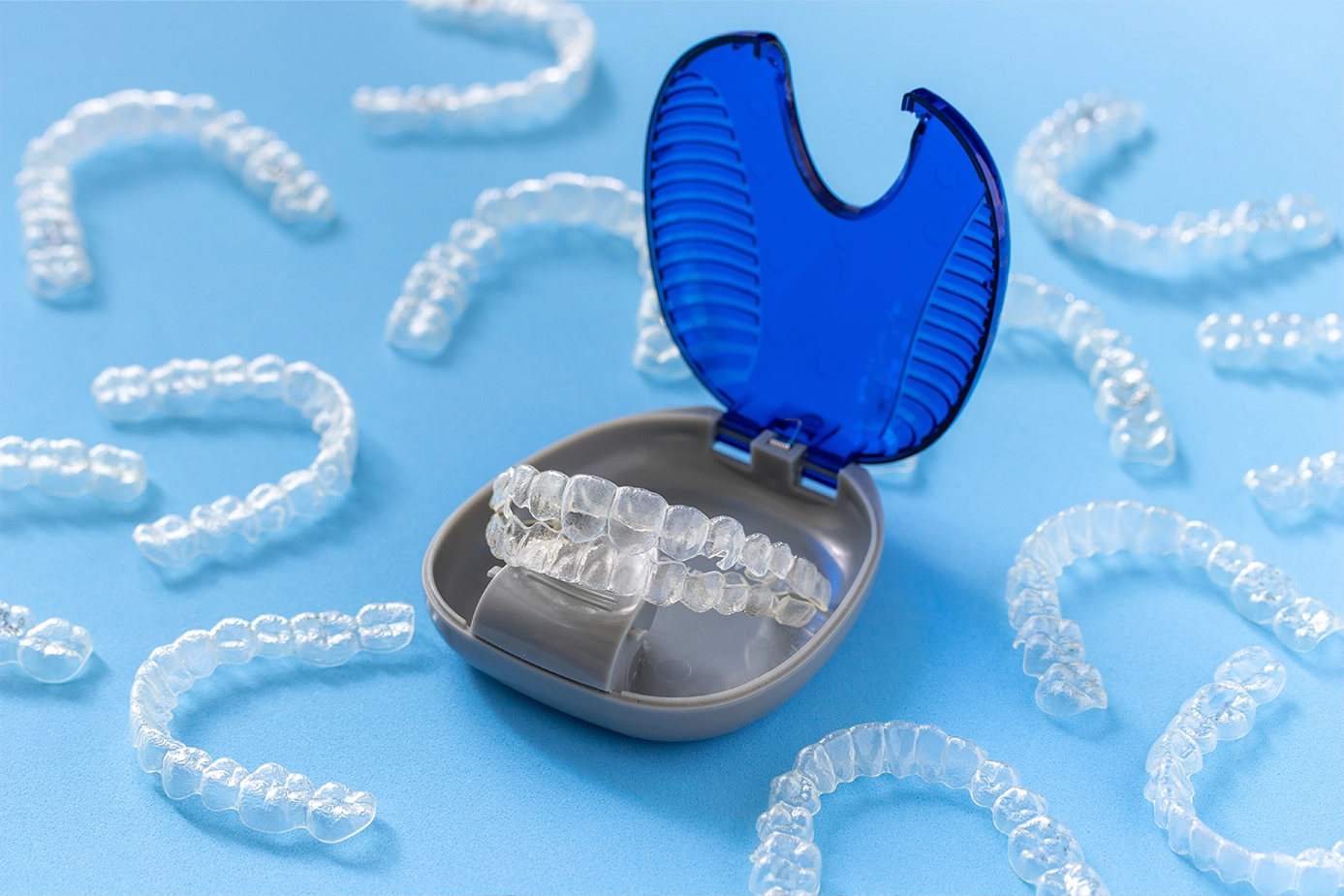
Once the digital plan is ready, the focus shifts to picking the right tools to get the job done. This stage ensures the orthodontic treatment fits your lifestyle while still being powerful enough to move your teeth effectively, focusing on three key factors:
At the end of the day, a successful transformation relies on a foundation of clinical precision and detailed
digital mapping. By prioritising this thorough planning phase, you ensure that your orthodontic journey is as
predictable as it is life-changing.
At PKWY Dental Specialist Practice, our team combines advanced imaging technology with specialist expertise
to design a treatment plan tailored specifically to your unique dental anatomy. Led by Dr Lawrence Yong, our
orthodontists are dedicated to achieving a balance of facial harmony and long-term functional health, whether
you choose braces or clear aligners.
While the visible part of the tooth may only appear slightly misaligned, specialised X-rays like OPG and Lateral Ceph are essential to see the root positions and the underlying jaw structure. These scans identify potential issues like impacted teeth, short roots, or dense bone areas that could obstruct movement, ensuring the treatment plan is biologically safe and effective.
Yes, orthodontic treatment can proceed with existing dental work, but it requires careful digital planning to manage the different bonding requirements for porcelain or composite surfaces. Your specialist will assess the integrity of these restorations first to ensure they can withstand the gentle, consistent pressure needed to move the teeth into their new positions without causing damage.
The diagnostic and planning phase typically takes between one to two weeks from your initial consultation and digital scanning appointment. This time allows the specialist to meticulously review your 3D maps and radiographs, design the precise movement sequence, and coordinate with the laboratory to manufacture your custom braces for a perfect fit.


