

PKWY Dental Specialist Practice
9 Scotts Road #12-02 Pacific Plaza
Singapore 228210
| Tel | : | +65 6836 9808 |
| : | services@pkwydental.com.sg |
9 Scotts Road #12-02 Pacific Plaza
Singapore 228210
| Tel | : | +65 6836 9808 |
| : | services@pkwydental.com.sg |
Keeping Results Long-Term: How Orthodontists Prevent Teeth From Shifting Back
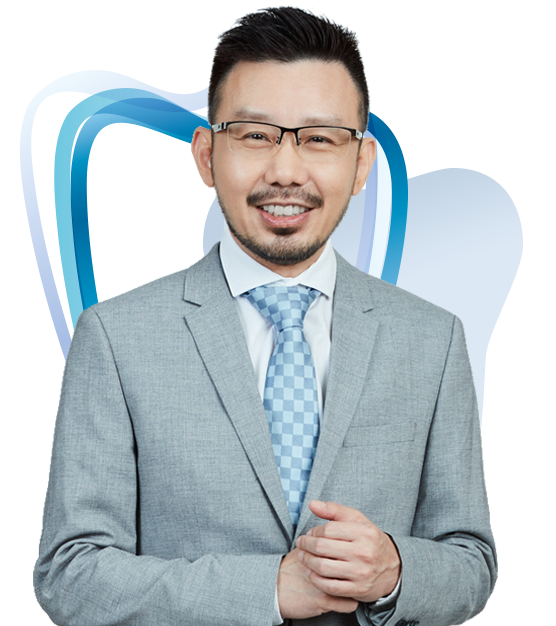
Dr Lawrence Yong
Dental Specialist in Orthodontics (Specialist in Braces)
Completing orthodontic treatment is an exciting milestone. Whether you have worn braces or clear aligners, seeing your newly aligned smile for the first time is the result of months or even years of commitment. However, achieving straight teeth is only one part of the journey. Maintaining those results over the long term is equally important.
Many people are surprised to learn that teeth can continue to move throughout life. Without the right long-term care, gradual changes in tooth position may affect both the appearance of your smile and the way your teeth come together when you bite.
Many adults in Singapore complete orthodontic treatment with braces or Invisalign each year. Understanding why teeth can continue to move afterwards helps explain the important role retainers and ongoing orthodontic care play in maintaining long-term results.
Although braces and clear aligners reposition your teeth, they cannot permanently stop natural tooth movement. Teeth exist within a living system that continues to change throughout life.
After orthodontic treatment, the tissues surrounding your teeth need time to stabilise. During this period, teeth naturally have a tendency to move back towards their original positions, a process known as orthodontic relapse.
Even after the tissues have stabilised, several factors may contribute to gradual tooth movement, including:
The amount of movement varies between individuals. Some people experience only minor changes, while others may notice more significant shifting particularly if retainers are not worn as recommended.
Long-term stability is considered throughout every stage of orthodontic treatment, not only after your braces and clear aligners are removed. Your orthodontist plans tooth movement with lasting results in mind while preparing for the retention phase that follows treatment.
Long-term stability begins during active treatment. Your orthodontist carefully plans tooth movement to create a balanced, functional bite that reduces unnecessary forces on the teeth after treatment is completed.
This includes correcting bite relationships, aligning teeth into appropriate positions and ensuring the upper and lower teeth fit together harmoniously. A well-balanced bite not only improves function but also provides a more stable foundation for long-term retention.
Your orthodontist considers factors such as your original bite, the complexity of your treatment and your risk of relapse when planning long-term retention. Rather than following a standard approach, your retention plan is tailored to your individual needs.
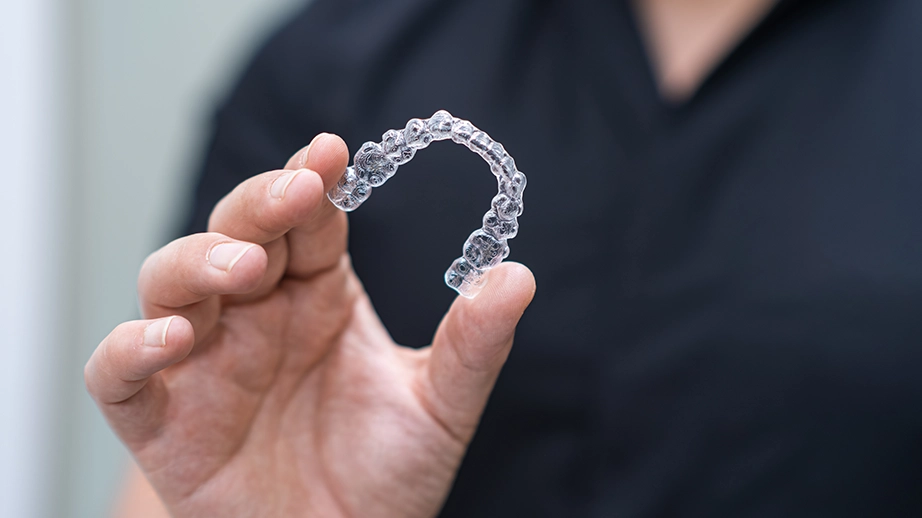
Retainers help maintain the position of your teeth while the surrounding tissues adapt to their new alignment.
Depending on your needs, your orthodontist may recommend:
The most suitable retainer depends on factors such as your bite, the amount of tooth movement achieved, the complexity of your treatment and your risk of relapse.
Your bite and teeth can continue to change over time, even years after orthodontic treatment. Ongoing monitoring helps identify subtle movement early, allowing small problems to be managed before they become more significant.
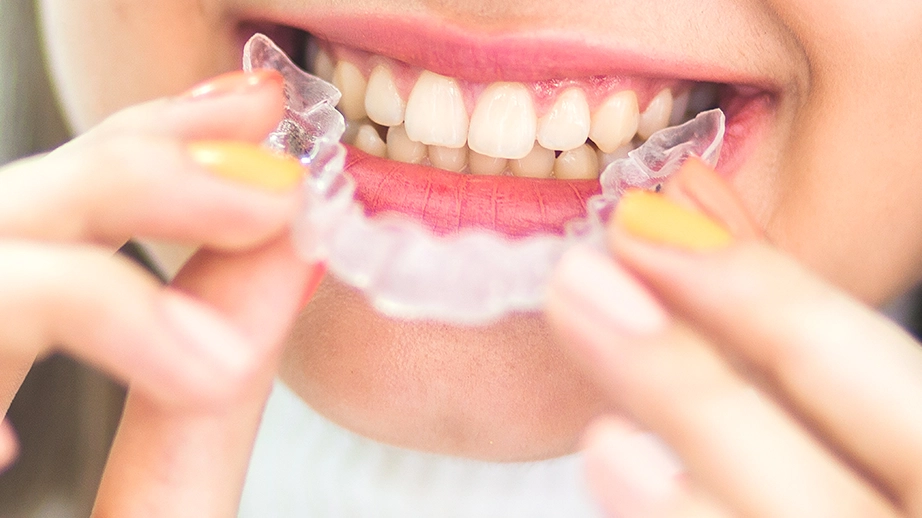
Long-term orthodontic stability depends on both the treatment itself and the habits you maintain afterwards. Following your orthodontist’s recommendations helps keep your teeth in their intended positions over time.
Retainers only work when they are worn according to your orthodontist's instructions.
Some patients may need to wear retainers full time initially before transitioning to night-time wear, while others follow a different schedule depending on their treatment.
A damaged or poorly fitting retainer may not be able to hold your teeth in their intended positions effectively.
Simple habits can help extend its lifespan:
Healthy gums and supporting bones provide the foundation for stable teeth.
Good oral hygiene and regular dental check-ups help reduce the risk of gum disease, which can affect the long-term stability of your teeth.
Many people assume they only need a review if their retainer breaks. In reality, there are several situations where it is advisable to arrange a review.
You should contact your orthodontist if:
Even if you have no obvious concerns, periodic reviews help ensure your retainers continue to fit properly and allow any small changes in tooth position to be identified early.
Orthodontic treatment is an investment in your oral health and confidence. While teeth naturally change over time, lasting results depend on a combination of professional orthodontic care and consistent daily habits. Long-term stability depends on wearing your retainers as recommended and seeking advice if you notice changes in your teeth or bite.
At PKWY Dental Specialist Practice, our commitment to your care extends well beyond braces and Invisalign. Dr Lawrence Yong provides personalised retention care, helping patients preserve the results of their orthodontic treatment through tailored retention strategies, ongoing monitoring and evidence-based orthodontic management.
If you have concerns about your retainers, notice changes in your bite or feel that your teeth have started to shift, schedule a consultation to discuss how we can help maintain the stability of your smile.
Yes. Although retainers help maintain tooth position, teeth can still move if a retainer becomes worn, damaged or no longer fits properly. Teeth can also continue to change naturally over time, which is why regular orthodontic reviews remain important.
Avoid forcing your old retainer into place if it no longer fits comfortably, as this may damage the retainer or place excessive pressure on your teeth. Instead, schedule an appointment with your orthodontist, who can assess whether a new retainer or additional treatment is needed.
In some cases, minor tooth movement may be managed without repeating full orthodontic treatment. Depending on the amount of movement, your orthodontist may recommend replacement retainers, minor orthodontic adjustments or a short course of clear aligners. The most suitable approach depends on your individual situation.
Most orthodontists recommend wearing retainers long-term to help maintain the results achieved through orthodontic treatment. Although the wearing schedule often reduces over time, teeth naturally continue to move throughout life. Your orthodontist will advise how often your retainer should be worn based on your individual treatment and long-term stability.
Current evidence suggests that wisdom teeth alone are unlikely to cause orthodontic relapse. Teeth can continue to shift because of natural ageing, bite forces and changes in the surrounding tissues. If you notice increasing crowding or changes in your bite, an orthodontic assessment can determine the underlying cause and whether treatment is required.
Dr Lawrence Yong
Dental Specialist in Orthodontics (Specialist in Braces)
Dr Lawrence Yong is an orthodontic specialist with 30+ years of experience treating a wide range of orthodontic conditions in Singapore. His background spans the public, corporate and private sectors, giving him extensive exposure to both routine and complex cases. He is skilled in fixed appliance systems and clear aligner therapy and has been an early adopter of digital orthodontic workflows.
Beyond clinical care, Dr Yong is well regarded for mentoring dentists in the region and has lectured internationally on developments in orthodontics and digital treatment planning. He also previously served as the President of the Singapore Dental Association. Known for his thoughtful approach to treatment planning, he focuses on guiding patients through their orthodontic journey with clear communication and steady, consistent support.


