

PKWY Dental Specialist Practice
9 Scotts Road #12-02 Pacific Plaza
Singapore 228210
| Tel | : | +65 6836 9808 |
| : | services@pkwydental.com.sg |
9 Scotts Road #12-02 Pacific Plaza
Singapore 228210
| Tel | : | +65 6836 9808 |
| : | services@pkwydental.com.sg |
What to Expect During Your Clear Aligner Treatment Journey
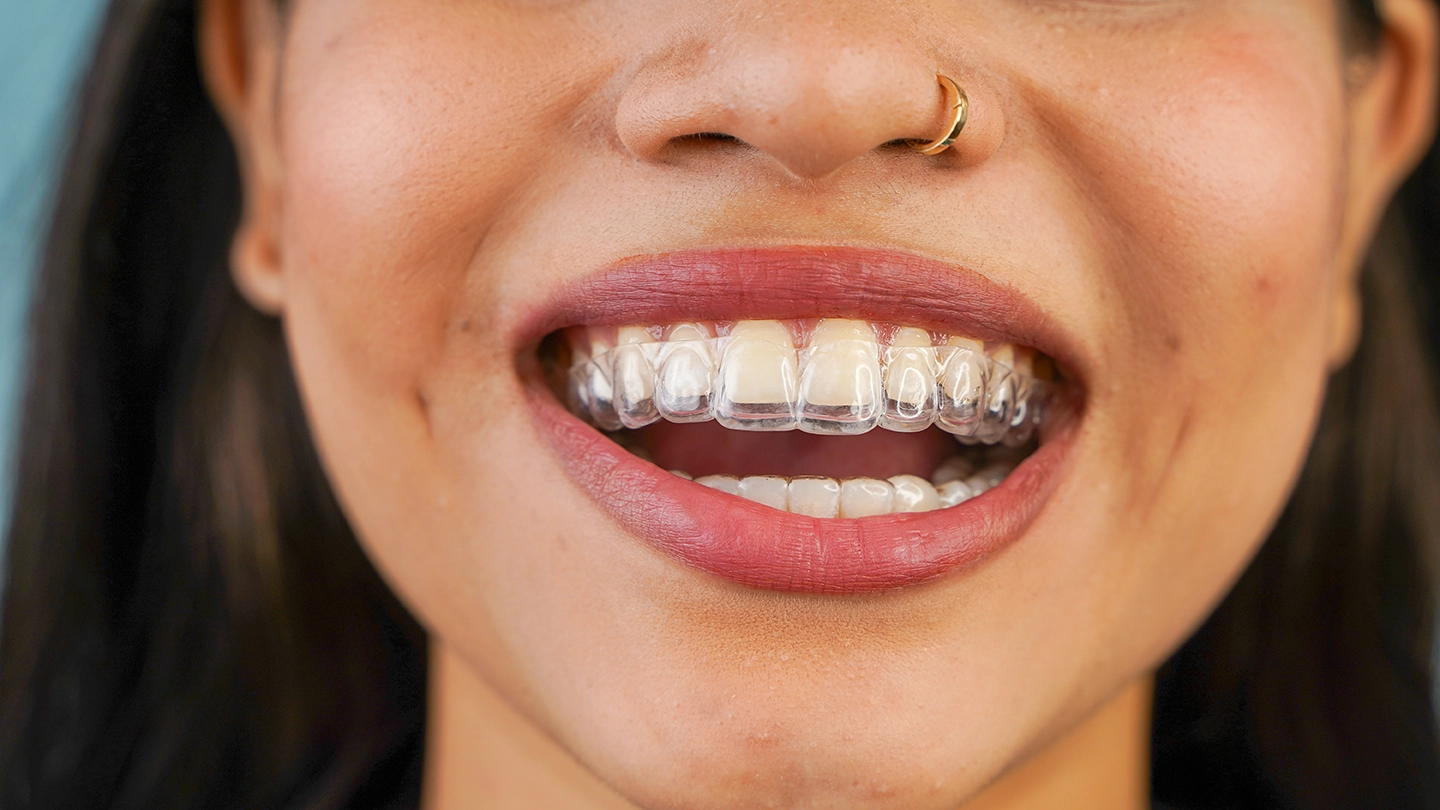
When embarking on a journey with clear aligners, the most common question is how long the transformation will
take. While every patient’s dental anatomy is unique, the treatment follows a predictable biological sequence
where each set of trays moves the teeth in incremental, calculated stages.
This transformation relies on controlled, intermittent pressure to gently remodel the supporting bone, allowing
teeth to shift into their ideal positions. Unlike the constant, high-tension force of traditional braces, clear
aligners use a data-driven and phased approach to ensure movements are both precise and comfortable for the
wearer.
The success of Invisalign treatment relies on a detailed digital blueprint that integrates advanced imaging with a thorough biological assessment. This multi-layered approach ensures that every movement is as technically precise as it is clinically safe for your long-term oral health:
The first month is all about getting used to the feel of the aligners and building the habits that make the treatment work. This initial period is less about big visual changes and more about setting up the right foundation for your teeth to start moving safely, normally including:
The middle phase of the treatment is when the initial planning translates into visible changes. Rather than all teeth moving at once, the process follows a specific clinical order to ensure there’s enough room for every tooth to sit in its ideal position:
As these movements happen, regular check-ins with your specialist are vital to ensure your teeth are fitting perfectly into each new tray as planned. These visits also allow orthodontists to catch any stubborn teeth that aren't moving quite as fast as the computer predicted, making small adjustments in real-time to keep your treatment on schedule and to avoid any delays to your final result.

The final phase of treatment moves from major alignment to fine-tuning the microscopic details of the smile. This stage ensures that the teeth do not just look straight, but that they also function correctly and stay healthy for years to come:
Think of this phase as the final quality check that turns a good result into a great one. By focusing on how the teeth fit together during chewing or speaking, the process ensures the new smile is as comfortable and functional as it is aesthetic, preventing the need for further corrections down the road.
Maintaining a new alignment requires a proactive strategy to ensure the teeth remain stable while the surrounding bone and tissue fully mature. Following these preventive measures is the only way to counteract the natural tendency for teeth to shift back to their original positions:
By treating the retention phase as a permanent part of an oral health routine, the risk of relapse is virtually eliminated. This disciplined approach ensures that the time and effort invested in the alignment process results in a stable, healthy smile that lasts a lifetime.
Achieving a perfectly aligned smile is a transformative process that requires a blend of advanced digital planning
and disciplined daily habits. From the initial 3D scans to the final retention phase, every stage is designed to
ensure that the teeth move safely and stay in their ideal positions for the long term.
At PKWY Dental Specialist Practice, the treatment journey is managed by Dr Lawrence Yong and a dedicated team of
specialists who oversee every clinical detail. Having orthodontics, periodontics, and restorative care under one
roof ensures that your oral health is monitored comprehensively throughout the alignment process.
Most patients begin to notice subtle aesthetic changes in their front teeth within 8 to 12 weeks of consistent wear. While the initial months often focus on moving the posterior teeth to create necessary space, the alignment of the ‘social six’ teeth (the six most visible upper and lower front teeth) usually becomes apparent once the structural foundation is set.
Yes, a slight sensation of mobility is a normal response as the periodontal ligaments loosen to allow the teeth to shift into new positions. This is a controlled process, and the bone will eventually remodel and solidify around the teeth once they reach their final destination and retention begins.
If a tooth is not tracking correctly, your specialist may perform a mid-course refinement or use additional attachments to provide better leverage for that specific movement. This ensures the final result remains precise and functional, even if certain stubborn teeth require a few extra weeks of adjustment.


