

PKWY Dental Specialist Practice
9 Scotts Road #12-02 Pacific Plaza
Singapore 228210
| Tel | : | +65 6836 9808 |
| : | services@pkwydental.com.sg |
9 Scotts Road #12-02 Pacific Plaza
Singapore 228210
| Tel | : | +65 6836 9808 |
| : | services@pkwydental.com.sg |
Can Clear Aligners Fix Overbite or Underbite?

Dr Lawrence Yong
Dental Specialist in Orthodontics (Specialist in Braces)
Clear aligners are a popular option for straightening teeth, but many patients wonder if they can correct bite
issues such as an overbite or underbite. While aligners like Invisalign can treat certain cases effectively,
their suitability depends on the severity of the problem and the type of tooth movement required.
In most cases, the decision is made together with your orthodontist, balancing clinical needs with your
preferences and lifestyle.
An overbite and underbite are common bite problems, also known as malocclusion. They describe how your upper and lower teeth align when your mouth is closed.
An overbite occurs when the upper front teeth overlap the lower front teeth more than normal. A mild overbite is common and may not require treatment. However, a more pronounced overbite can lead to issues such as uneven tooth wear, jaw discomfort, or difficulties with chewing. In simple terms, an overbite means the upper teeth sit too far forward over the lower teeth.
An underbite happens when the lower teeth extend beyond the upper teeth when the mouth is closed. This type of bite is less common but often more noticeable. Depending on its severity, it may affect chewing, speech, and overall jaw function. In simple terms, an underbite means the lower teeth sit in front of the upper teeth.
The severity of an overbite or underbite can vary from mild to complex. This plays a key role in determining whether clear aligners are suitable or if other treatments may be more effective.
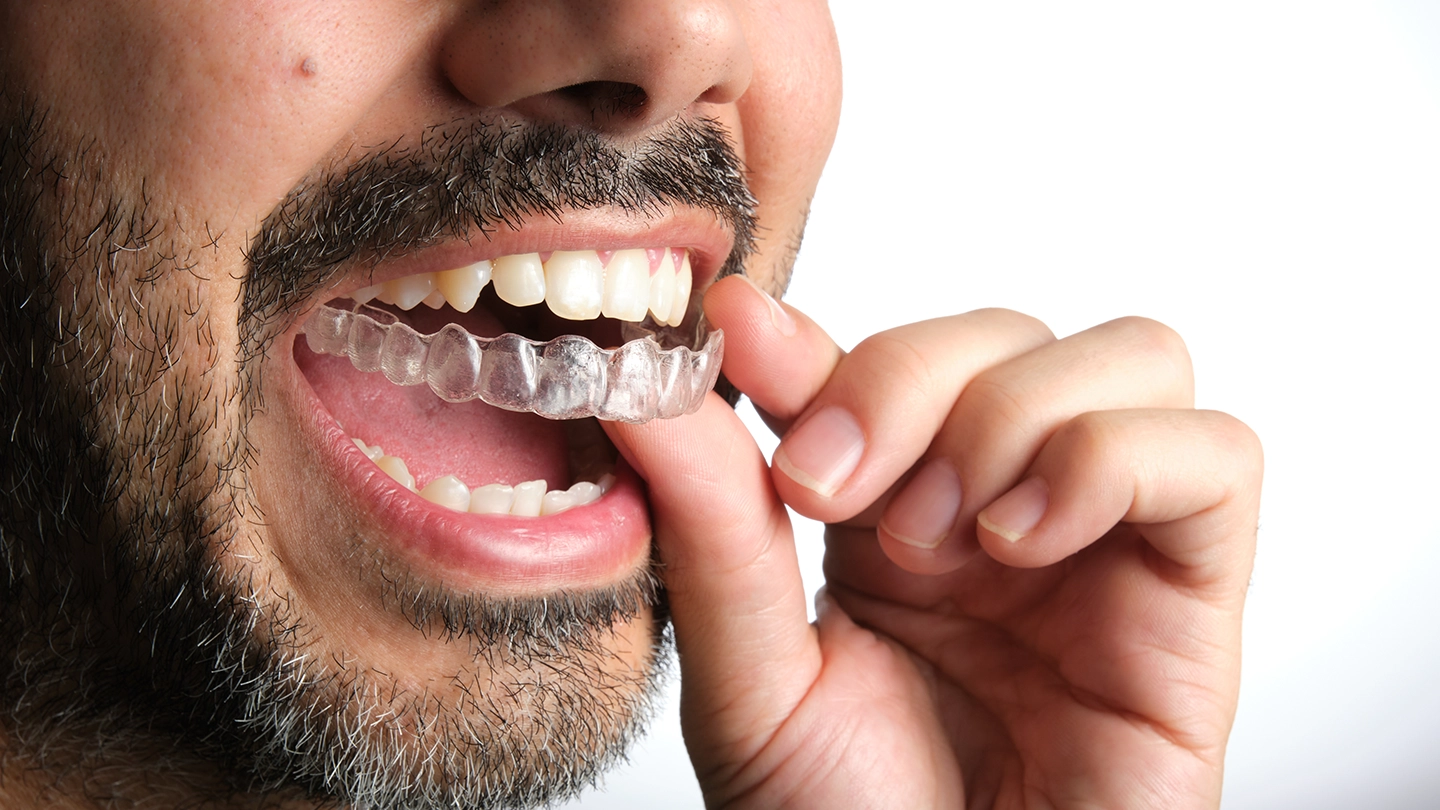
Clear aligners, such as Invisalign, can treat mild to moderate overbite and some underbite cases. Their effectiveness depends on
Clear aligners are often effective for correcting mild to moderate overbite, particularly when the issue is due to tooth positioning. Using a series of custom-made trays, aligners gradually move the teeth into better alignment. Orthodontists may also use attachments or elastics to improve control and guide the bite into the correct position. With proper planning and consistent wear, aligners can achieve predictable results in suitable cases.
Clear aligners can treat mild underbite cases, especially when the problem is dental rather than skeletal. By gradually shifting the teeth, aligners can improve how the upper and lower teeth meet. However, underbites are often more complex, and outcomes may be less predictable compared to overbite correction.
Overall, clear aligners can be effective for certain bite corrections, but suitability depends on individual diagnosis. A professional assessment is needed to determine if aligners can deliver stable, long-term results.
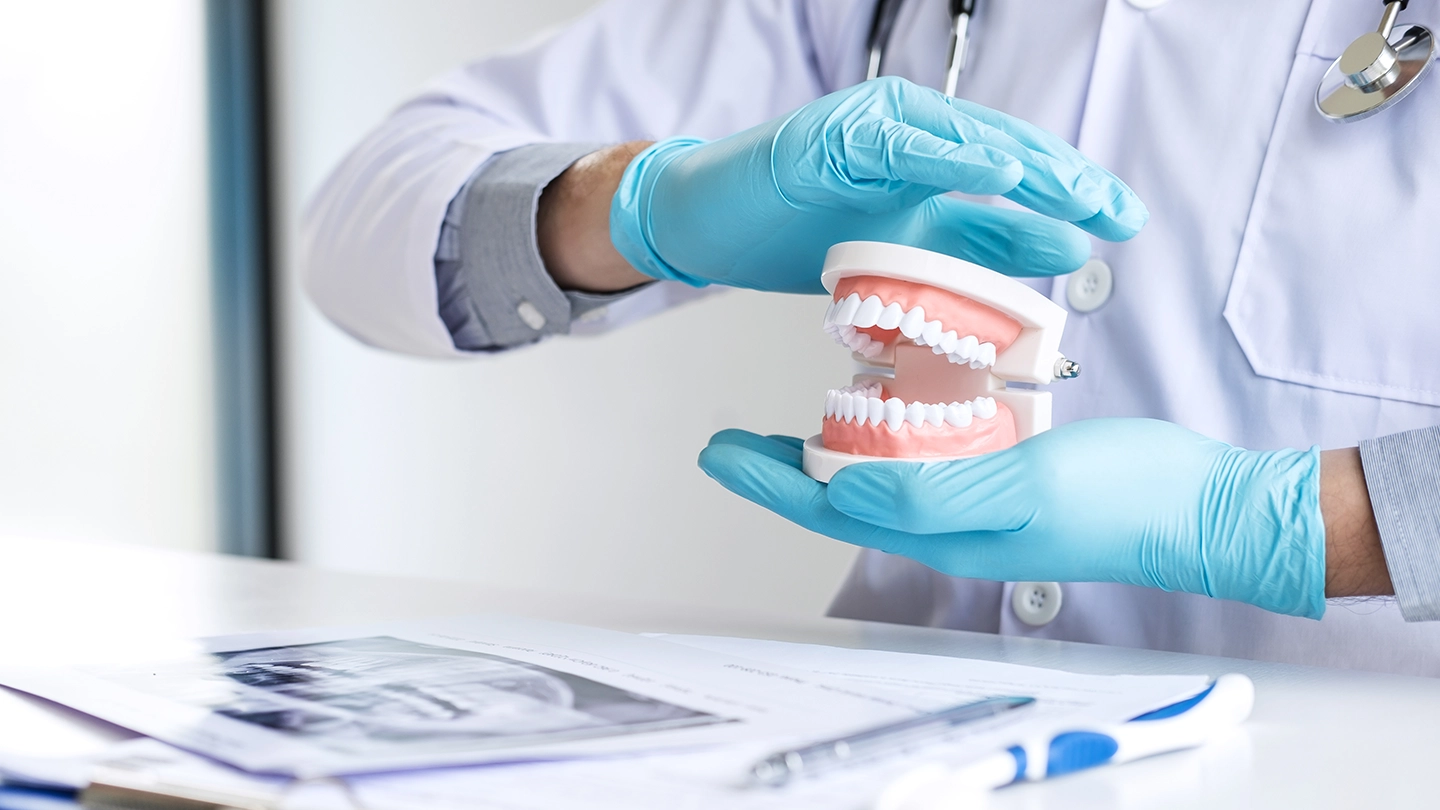
While clear aligners can treat many cases, braces or other treatments may be recommended when correcting an overbite or underbite requires greater control or more complex adjustment.
When an overbite or underbite is caused by jaw misalignment or is more severe, clear aligners alone may not be sufficient. Treatment may involve:
This is more common in pronounced underbite cases.
Some overbite and underbite cases require significant bite adjustment or precise tooth positioning. Braces are often more suitable in these situations because they allow for more controlled and continuous correction.
Clear aligners must be worn for 20–22 hours a day to effectively correct bite issues. If consistent wear may be difficult, braces can be a more reliable option, particularly for cases where precise bite correction is needed.
Choosing the right treatment for an overbite or underbite starts with a proper assessment, as suitability depends on the complexity of the condition and the type of correction required. Working with a specialist ensures your treatment is both clinically appropriate and aligned with your preferences, helping you achieve stable, long-term results.
At PKWY Dental Specialist Practice, we provide customised treatment plans supported by advanced imaging and a multi-specialty team. Alongside orthodontic treatments by Dr Lawrence Yong, complex cases involving jaw correction can be managed in-house by oral and maxillofacial surgeon Dr Wong Wai Yee. Book a consultation at our clinic to explore the most suitable option for your bite.
Treatment time varies depending on the severity of the bite issue. Mild to moderate cases may take several months, while more complex cases can take over a year. Consistent wear of 20–22 hours a day is essential for effective results.
Clear aligners can be effective for mild to moderate overbite and underbite cases. However, braces may be more suitable for severe or complex bite problems that require more precise control.
If the bite issue is too severe or related to jaw structure, your orthodontist may recommend braces or a combination of treatments. In some cases, corrective jaw surgery may be needed for optimal results.


